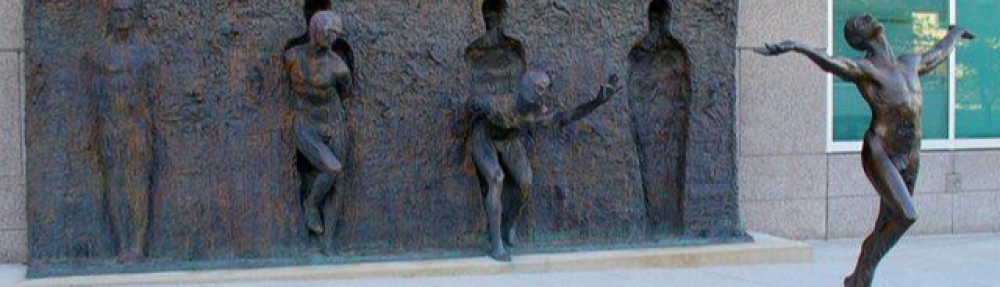
Dance Movement Psychotherapy – or DMP – is a creative therapy that puts the body and body movement at the centre of therapeutic exploration, be that sensations, gestures or more expansive expressive use of body parts or the whole being.
DMP – underlying principles and theoretical base
DMP is a relational process that draws on a range of underlying psychological and psychotherapuetic principles – and theories about movement. For example, attachment – which considers how early relationship experiences impact trust and connection and influence our patterns of relating to others; defence mechanisms – which describe how we develop ways to manage and cope with difficult feelings that may or may not continue to serve us; mindfulness – an active process where we notice sensations in the here and now. We also look at embodiment – how the body holds, reacts and responds to our stories -and especially trauma. To support this, DMP references Laban Movement Analysis and the Kestenberg Movement Profile, to assess patterns in movement and muscular tension that can reveal unconscious responses to emotions, situations and the people around us.
DMP focuses on the body, utilising the link between body/mind/spirit, to help understand how what we do impacts and affects our thoughts and feelings – and vice versa. This includes our patterns of moving, being, and relating, which are viewed as intrinsic/extrinsic means of communication present from and, even before, birth. There are many examples in our language and culture that reflects this link: consider phrases as “they’re a bull in a china shop” describing someone who crashes through other’s sensitivities without empathy, or maybe, “you could have knocked me down with a feather” that verbalises a sense of surprise or shock that stops us in our tracks, leaving us feeling off balance. I’m sure you can think of many more.
Consider also the term ‘body language’ which is generally used to describe a non-verbal communication, commonly referencing posture or how we hold ourselves. Our body’s language goes further, however; it embraces simple gestures, specific default mannerisms and more involved movement of limbs or the whole body. As with the figures of speech given above, I’m sure you can think of non-verbal communications that tell us what might be going on emotionally for another person. Whether that’s an angry or upset “go away”, someone who is feeling sad, or may those indicators that someone is tired, irritated, interested or relaxed and happy.
What sessions involve
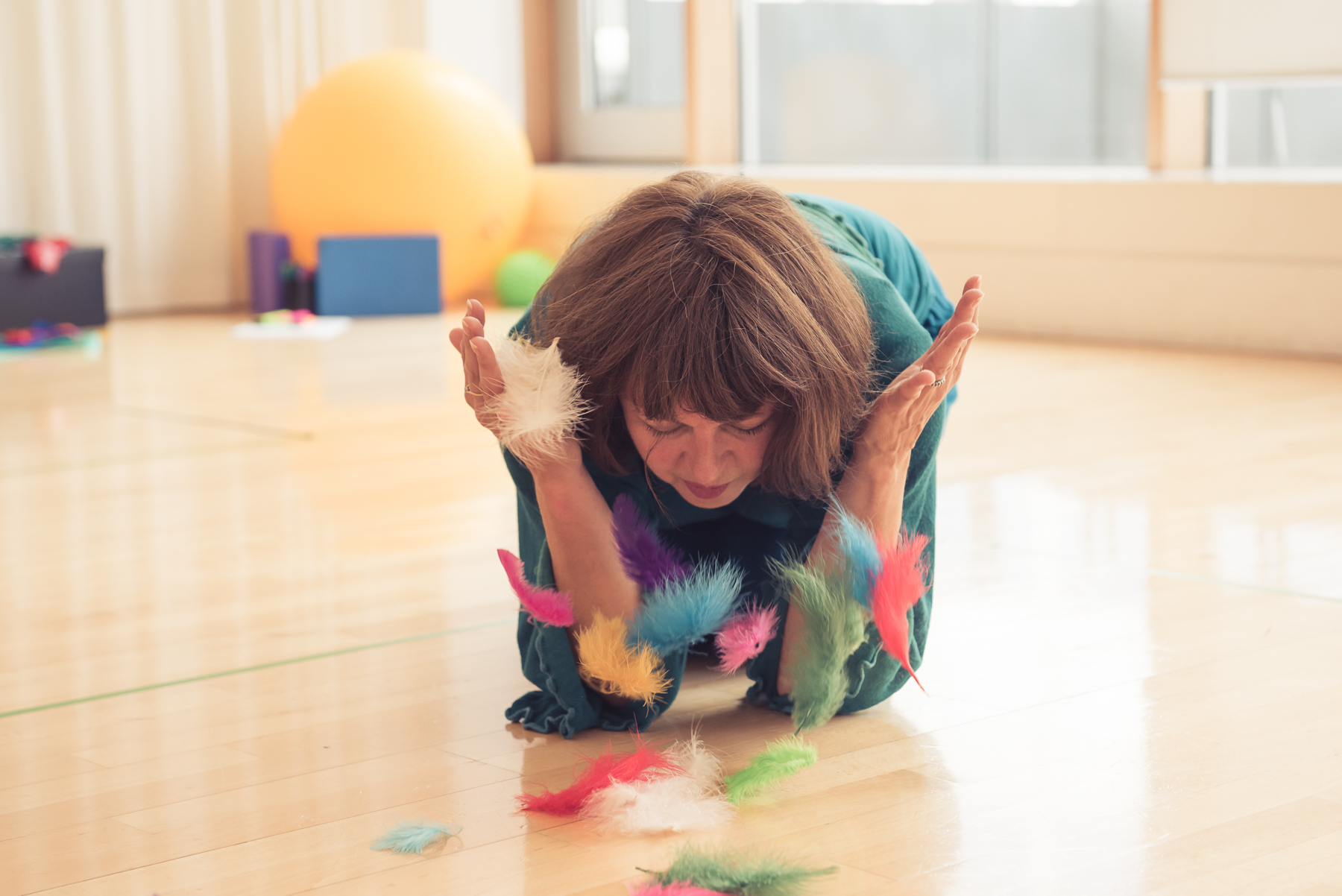
How we breathe is a great indicator of our internal state of relaxation or stress reflecting muscle tension and health: here I am blowing life into some feathers.
jfsfjslk

